
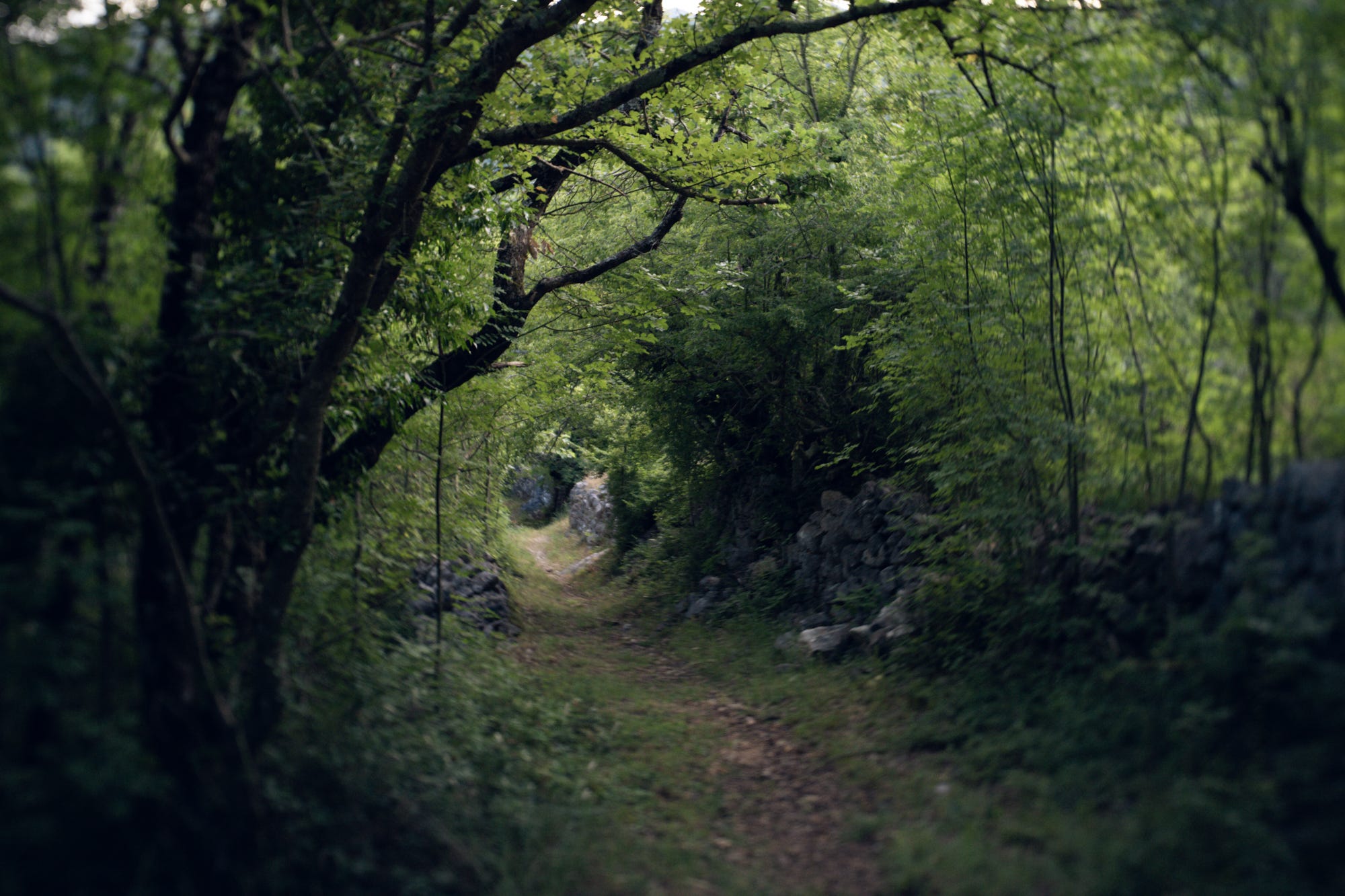
Is belonging something we create, or something we recognize?
When we encounter a place that feels familiar before we consciously know it, what does it mean?
I suspect that even several hours spent around a fire—in thoughtful conversation with curious minds—wouldn’t fully solve the mystery. Scientific theory, family history, lived experience, and imagination all have something to offer. Perhaps they are not competing explanations at all, but different ways of approaching the same experience.
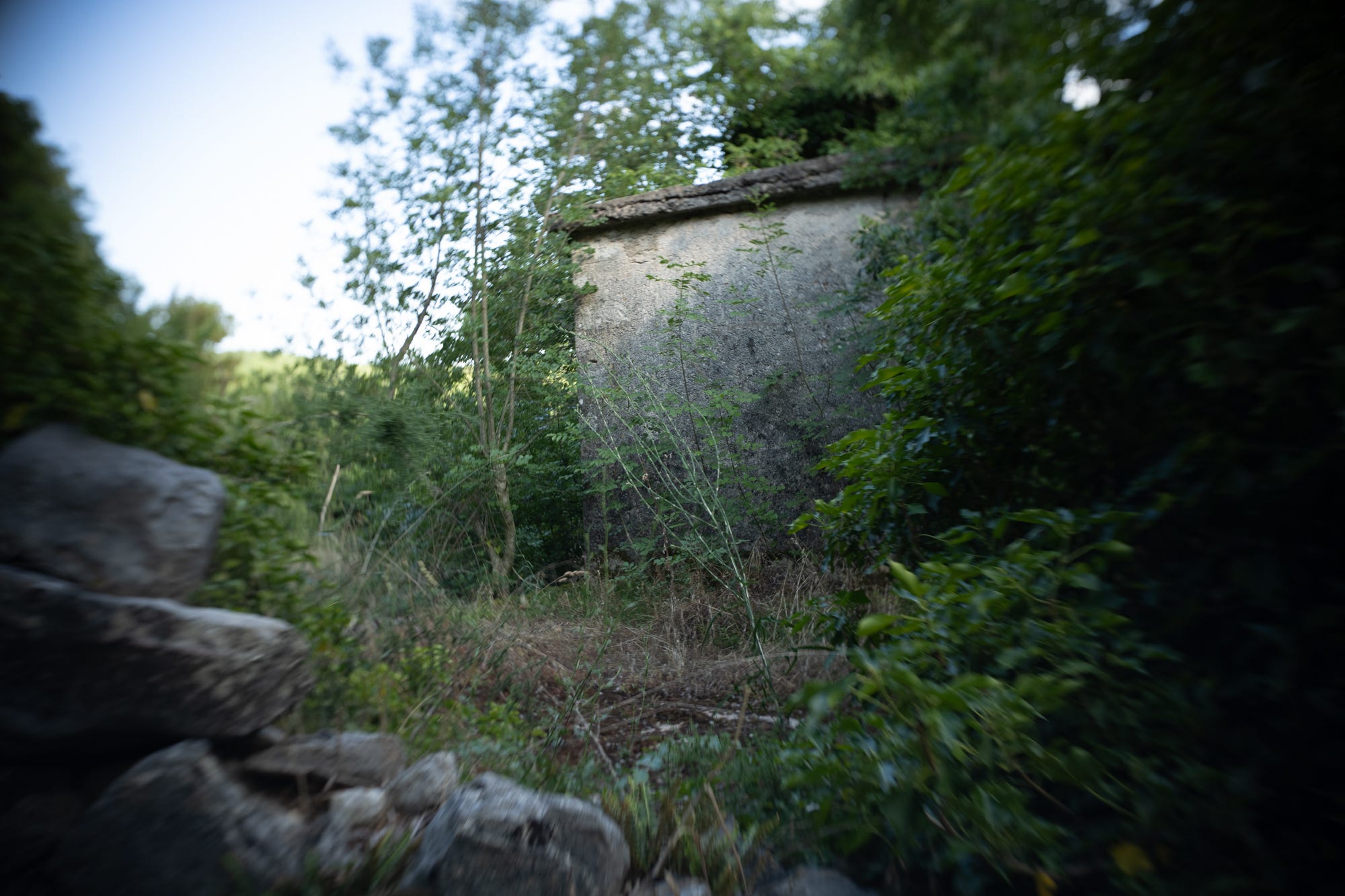
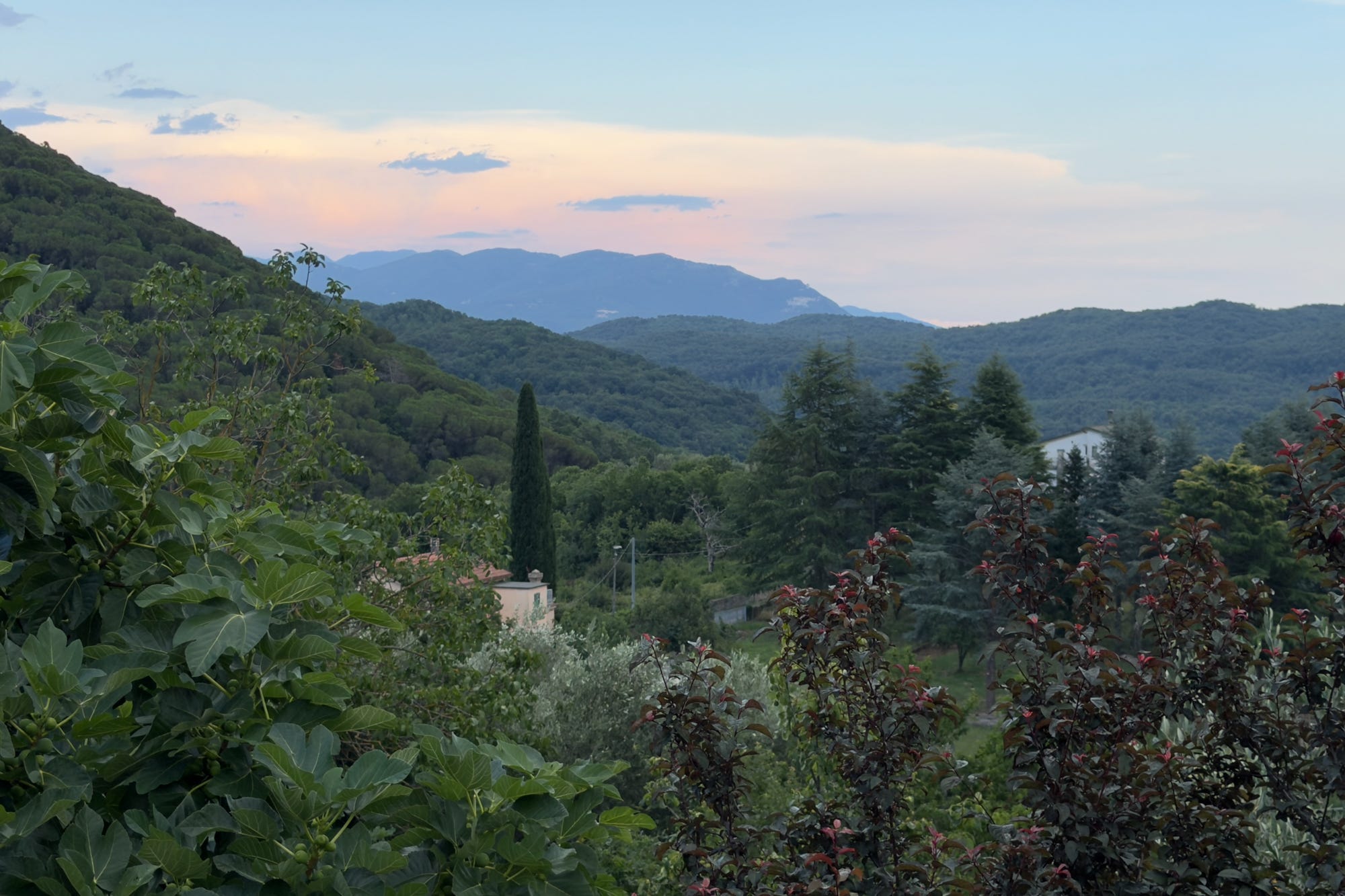
When I arrived in Collemacchia for my artist residency at The Museum of Loss and Renewal, I felt an immediate sense of belonging. It was as though my soul had been longing for a place it had never consciously known.
The landscape was lush and vibrant, carrying a soft sweetness on the breeze that seemed to soothe me with every passing wind. Cultivated orchards blended effortlessly with wild woodland, creating a feeling of abundance and quiet security. Fig trees appeared around nearly every corner, inviting thoughts of returning a month later when their fruit would be fully ripe. Blackberry brambles threaded themselves through the hillsides. It felt like a landscape capable of nourishing not only people, but every living thing around it.
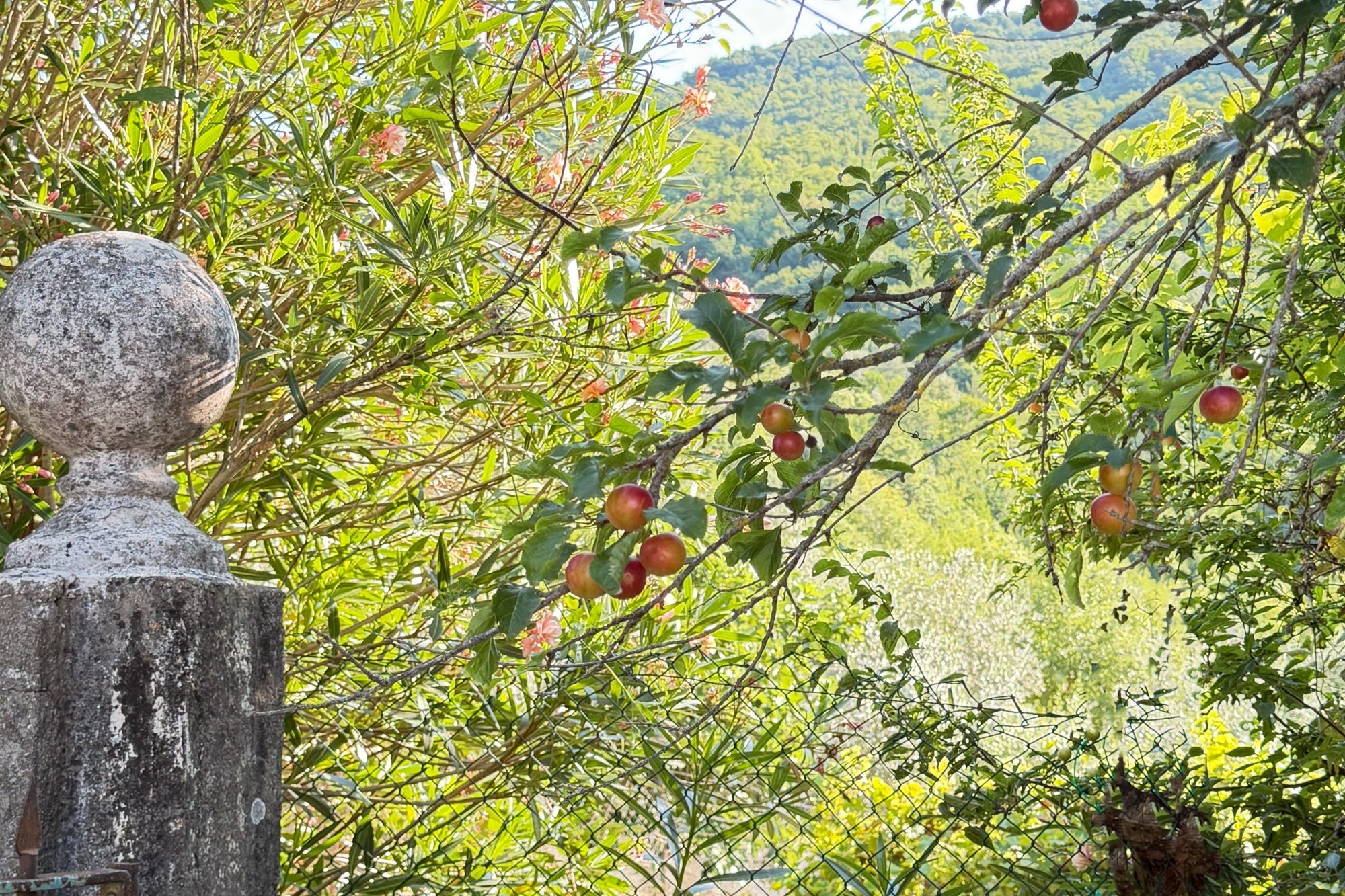
The plants and trees were gently rewilding the village—not with force or conquest, but through quiet partnership. Nature and human habitation seemed less like opposing forces and more like old companions learning once again to live together.
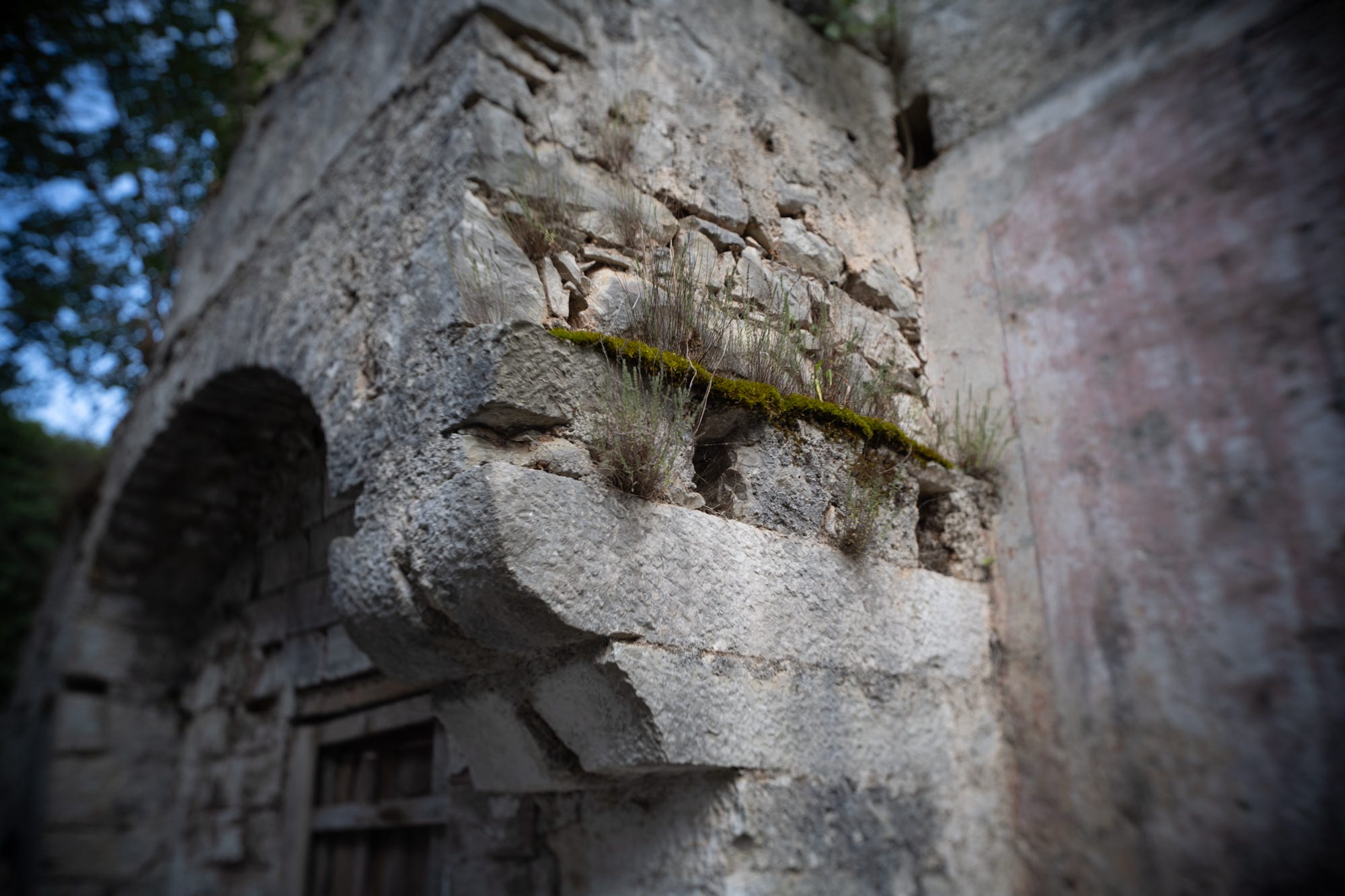
During the weeks I spent there, I experienced an unusual sense of safety and ease. Surprisingly, the architecture contributed to this feeling as much as the landscape. Even the long-abandoned stone houses carried a sense of care and shelter, as though they continued to hold the stories of those who had lived within them.
Only later did I begin to realize that this feeling wasn’t unique to Italy. Earlier this year I experienced something remarkably similar while walking through the jungles of Costa Rica. Family history alone could not explain such an immediate sense of recognition.
Perhaps my body simply knows something my mind has not yet learned to articulate.
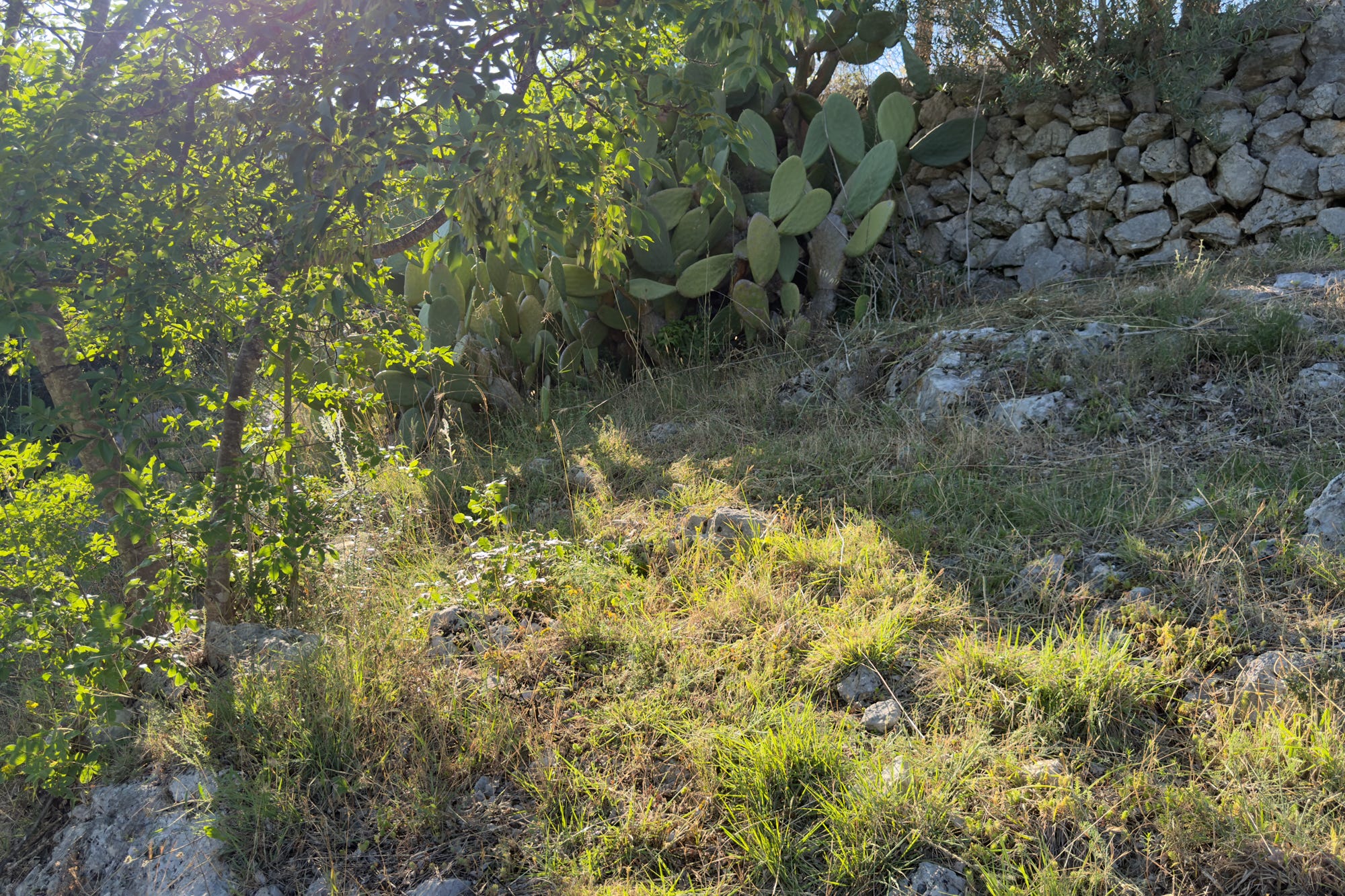
Research increasingly suggests that biodiverse natural environments have a remarkable effect on our nervous systems. Trees release phytoncides that influence stress hormones. Rich ecological diversity provides an intricate tapestry of shapes, textures, fragrances, and sounds that gently engage our attention without overwhelming it. The fractal patterns found in bark, leaves, rivers, and branching trees seem to invite the brain into a quieter rhythm. Birdsong, moving water, and wind through the canopy become part of an orchestra that encourages restoration.
My body seems to recognize these places almost immediately.
Perhaps yours does too.
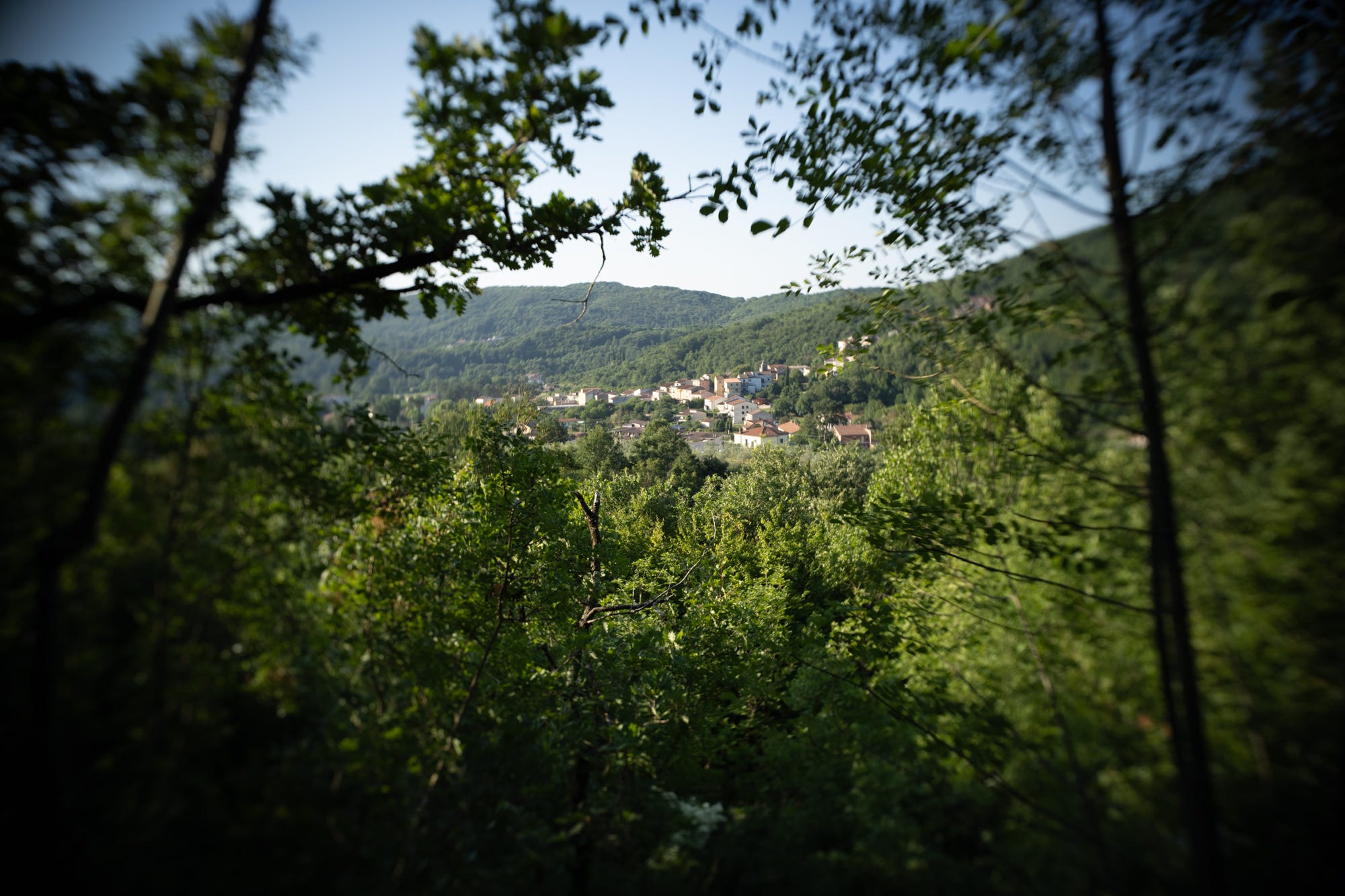
So, can we create belonging, or do we simply recognize it when we encounter it?
I have come to believe it is both.
We cultivate belonging by returning again and again to places that allow us to soften, breathe more deeply, and pay attention. At the same time, certain landscapes seem to meet us with an uncanny familiarity, as though they awaken something that has always been present beneath the surface.
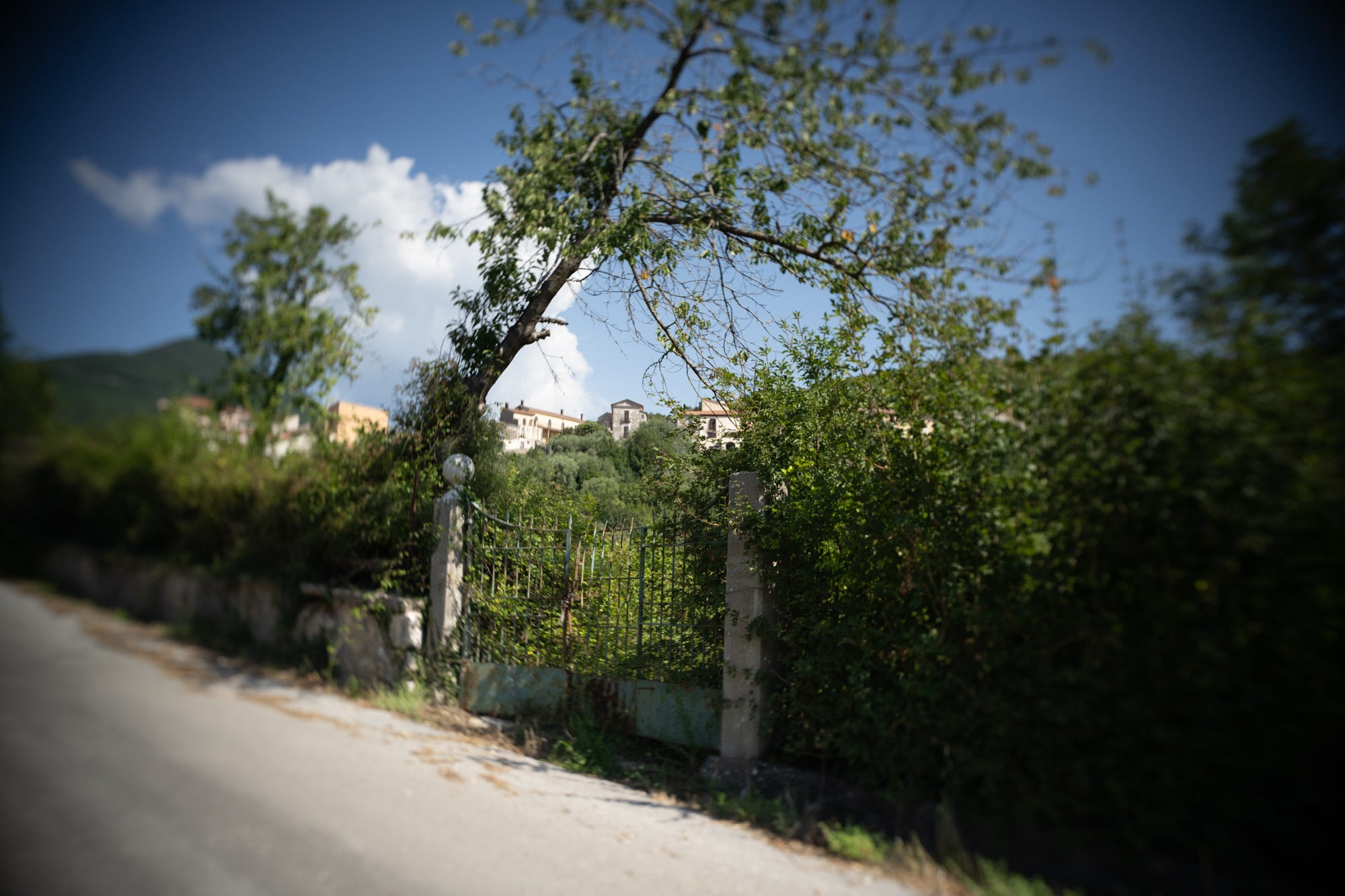
The same may be true of our creative lives.
Artists often find themselves returning to the same materials, colors, forms, and questions over many years. We sometimes mistake this repetition for limitation, when perhaps it is recognition instead. Something within us continues to respond because it has found a place where it belongs.
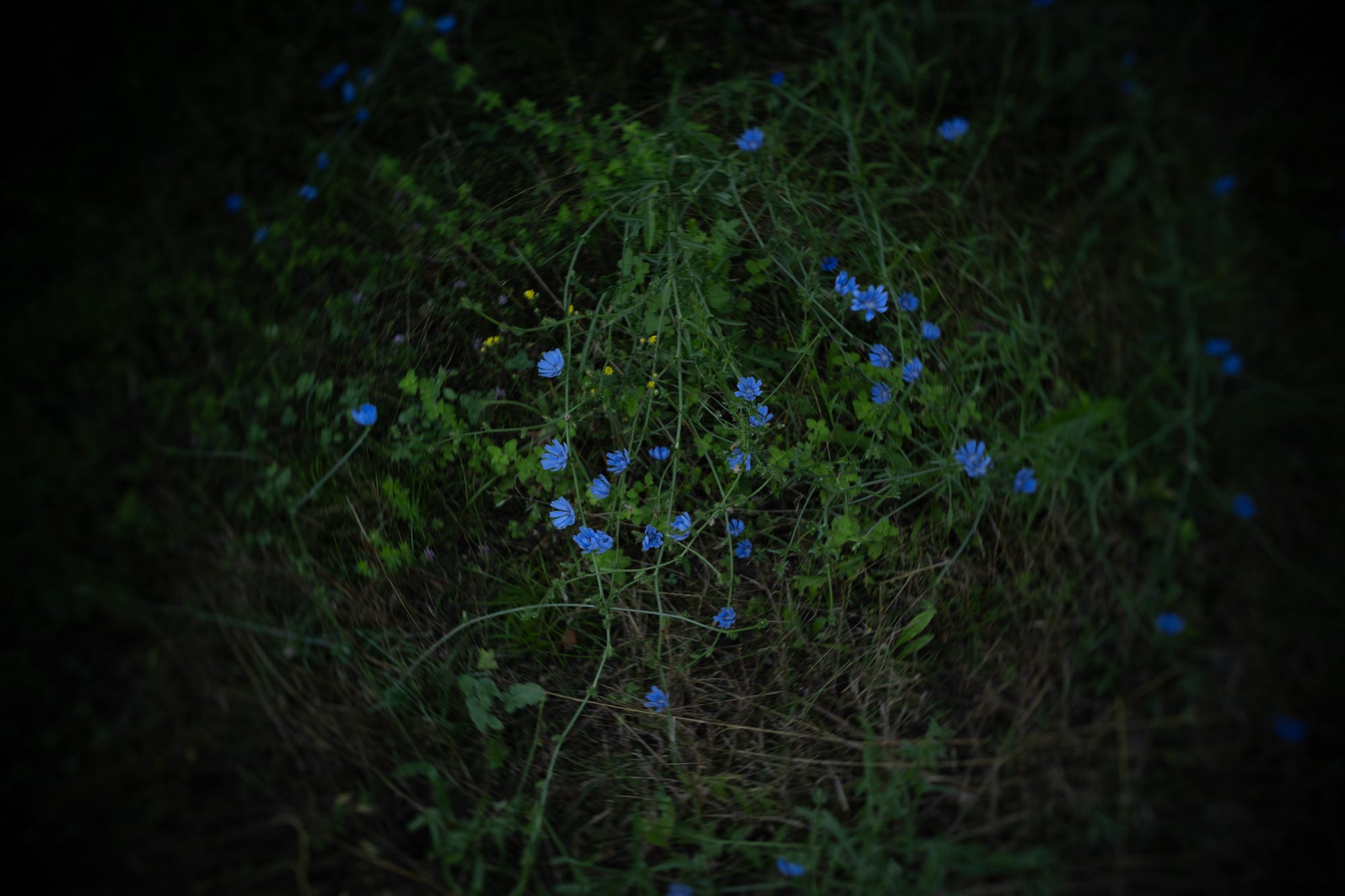
Perhaps belonging is less about finding a place that welcomes us than becoming attentive to the places that quietly awaken us. Whether that recognition comes through ancestry, ecology, memory, or something we cannot yet explain may matter less than our willingness to notice it.
The places that remember us have a way of changing how we move through the world. They remind us not only who we are, but who we are becoming.
I invite you to watch my short film, Following the Golden Thread. Rather than explaining the experience of my artist residency, it offers a more sensory journey through the landscape of Collemacchia—the light, the sounds, the conversations, and the quiet moments that gave rise to these reflections. I hope it allows you to step into this remarkable place for a few minutes and perhaps discover a golden thread of your own.
The video Following the Golden Thread can be found at this link
https://www.karenolsonphotography.com/artist-residency-at-the-museum-of-loss-and-renewal
Join Me for Our Next Creative Conversation
Following the Golden Thread: Recognizing the Work That Is Already Calling You
Thursday, July 30 • 1:00 pm EST
Artists often feel pressure to chase the next new idea, yet the most meaningful work is often quietly waiting for us, returning again and again through familiar materials, recurring questions, places, and experiences that continue to call our attention.
In this month’s live meetup, we’ll explore how to recognize these “golden threads” and learn to trust the patterns already emerging in our creative lives. Through conversation and reflection, we’ll consider how coherence is discovered rather than designed, and how following what continually calls to us can lead to deeper, more authentic work.
I hope you’ll join us for this thoughtful 90 minutes of conversation and shared discovery. Whether you’re just beginning a new body of work or searching for renewed clarity in your practice, this discussion is an invitation to listen more closely to what has been quietly calling you all along.
Sessions are limited to 12 participants and have been extend to 90 minutes to allow everyone the opportunity to contribute.
Rivers Speak in Voltage meetups are available for paid subscribers.
Your posting really resonated with me...as I had a similar experience attending an art retreat in Pelion, Greece. Being there brought me back to my childhood...growing up on a farm in Virginia. I totally felt like I belonged there. I can't wait to return. Looking forward to seeing you in SMA!